
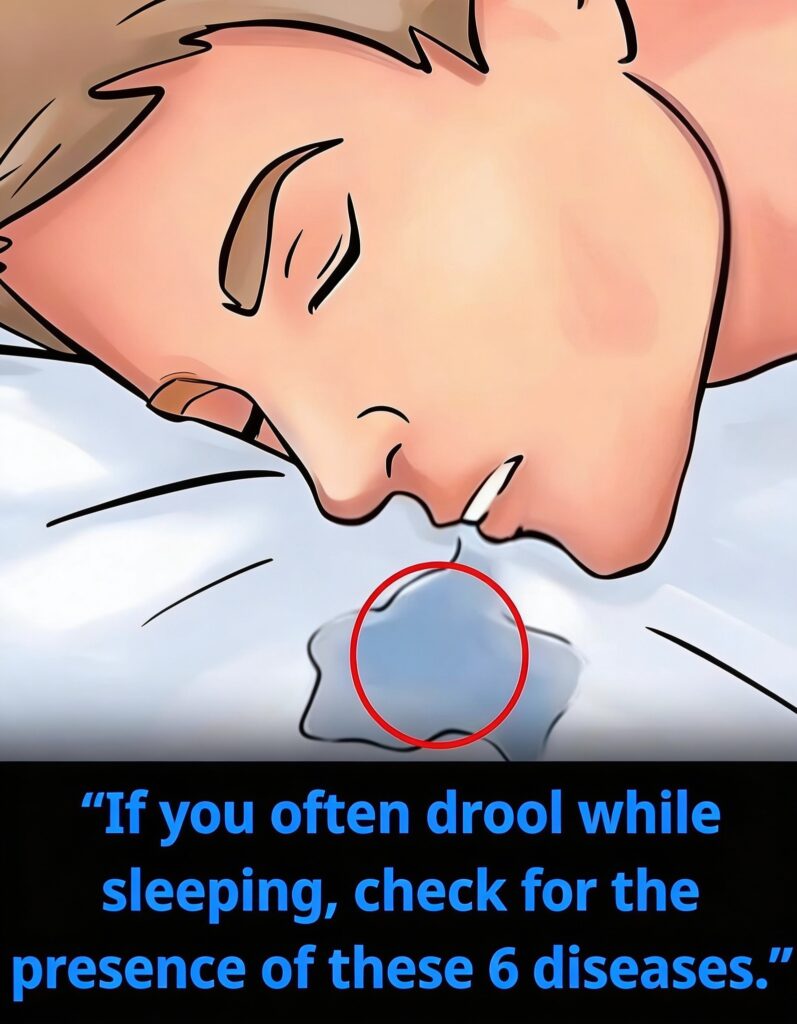
Waking up to a damp pillow can feel embarrassing and frustrating, especially when it happens night after night. That unexpected pool of saliva disrupts your fresh start to the day and leaves you wondering if something deeper is going on with your body. The good news? Drooling during sleep is incredibly common and often tied to simple, everyday factors—though sometimes it hints at areas worth paying closer attention to.
Insights from trusted health sources show that most cases are harmless, but understanding the triggers empowers you to make small adjustments for drier, more comfortable nights. Keep reading to uncover the most frequent reasons behind nighttime drooling, supported by expert guidance, plus practical habits many people find helpful for better sleep quality.

The Role of Sleep Position in Nighttime Drooling
 Your sleeping position plays a bigger role than you might think.
When you sleep on your side or stomach, gravity pulls saliva toward the corner of your mouth, making it easier for drool to escape—especially if your mouth relaxes open during deep rest.
Sources like the Cleveland Clinic note that this is one of the most straightforward causes, and simply shifting positions can make a noticeable difference for many people.
But here’s what’s interesting: mouth breathing often goes hand-in-hand with these positions, amplifying the issue.

Encouraging Back Sleeping for Drier Nights
Many find relief by training themselves to sleep on their back:

- Use a supportive pillow that cradles your head comfortably.
- Place pillows on your sides to gently discourage rolling over.
- Try a wedge pillow to elevate your upper body slightly.
These small setup changes often lead to less drooling over time.
Nasal Congestion and Mouth Breathing
 A stuffy nose forces you to breathe through your mouth, which naturally increases saliva flow outward.
Allergies, colds, sinus issues, or even a deviated septum can block nasal passages, turning occasional congestion into regular nighttime drooling.
Healthline and Cleveland Clinic resources highlight how clearing airways supports more natural nose breathing during sleep.
The encouraging part? Addressing congestion gently often brings quick comfort.
Everyday Habits to Ease Nasal Congestion
Simple routines can help open airways:
- Use a saline nasal spray or rinse before bed.
- Run a humidifier to keep bedroom air moist.
- Elevate your head with an extra pillow.
- Avoid known allergens like dust or pet dander in the bedroom.
Many notice improved breathing and less drooling within days.

Sleep Apnea as a Possible Underlying Factor
 Loud snoring paired with drooling can sometimes point to sleep apnea—a condition where breathing pauses briefly during sleep.

Excess saliva builds up because of open-mouth breathing, and morning fatigue often accompanies it.
Experts from reliable sources emphasize that while not every case of drooling means apnea, the combination deserves attention for overall health.
Professional evaluation can provide clarity and tailored options.
Signs That May Suggest Sleep Apnea
Watch for these common companions to drooling:
- Persistent loud snoring
- Waking up feeling unrefreshed
- Daytime tiredness despite full nights
- Morning headaches
Discussing symptoms with a doctor opens the door to helpful screenings.
Acid Reflux (GERD) and Excess Saliva
 Gastroesophageal reflux can trigger your body to produce more saliva as a natural protective response.
When stomach acid rises, extra saliva helps neutralize it—leading to pooling and drooling at night.
Cleveland Clinic reviews connect GERD symptoms like heartburn with increased nighttime salivation.
Managing reflux gently often eases multiple discomforts at once.

Supportive Habits for Reflux Comfort
Lifestyle tweaks frequently make a difference:

- Avoid heavy or spicy meals close to bedtime.
- Eat smaller portions in the evening.
- Stay upright for 2–3 hours after eating.
- Consider elevating the head of your bed.
These adjustments support calmer nights for many.
Medications and Other Occasional Triggers
 Certain medications can increase saliva production as a side effect.
Common examples include some antibiotics, pain relievers, or psychiatric medications, according to health resources.
Other factors like pregnancy, dental issues, or temporary infections may also contribute.
Always consult your healthcare provider before adjusting medications.
Quick Overview of Common Drooling Causes
| Cause | Key Triggers Noted in Sources | Supportive Daily Habits |
|---|---|---|
| Sleep Position | Side/stomach sleeping, mouth open | Back sleeping, supportive pillows |
| Nasal Congestion | Allergies, sinus issues | Saline rinses, humidifier |
| Sleep Apnea | Breathing pauses, snoring | Professional screening, weight management |
| GERD/Reflux | Acid rising at night | Smaller meals, elevated bed head |
| Medications | Side effects from certain drugs | Doctor discussion for alternatives |
Step-by-Step Guide to Reduce Nighttime Drooling
Ready for drier pillows? Start gently:
- Track your sleep position and symptoms for a few nights.
- Try one new habit, like back sleeping or nasal clearing.
- Stay hydrated during the day but limit fluids right before bed.
- Create a calming bedtime routine for deeper rest.
- Schedule a check-up if drooling persists with other symptoms.
Consistent small steps often bring the most lasting comfort.

Frequently Asked Questions
Is drooling while sleeping normal?
Yes—it’s very common and usually harmless, especially occasional episodes tied to position or congestion.
When should I talk to a doctor about drooling?
Consider it if it’s frequent and accompanied by snoring, heartburn, fatigue, or breathing pauses—professional guidance can help rule out underlying factors.
Can changing sleep habits really stop drooling?
Many people find significant improvement with position adjustments, congestion relief, and evening routines.
This article is for informational purposes only and is not medical advice. Drooling during sleep has various causes, and while lifestyle habits may offer support, they do not treat underlying conditions. Always consult your healthcare provider for personalized evaluation if you have ongoing concerns or symptoms.
