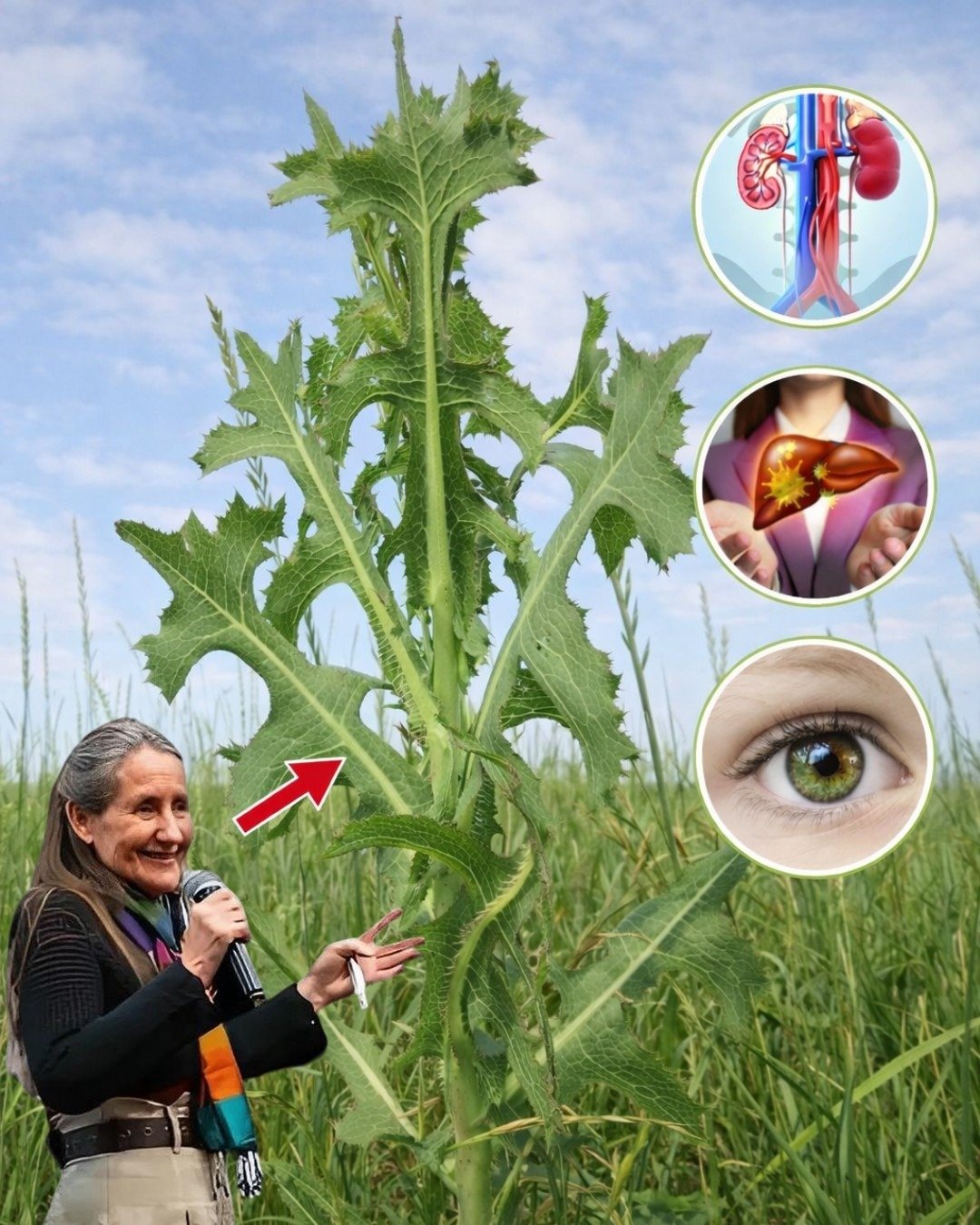
Have you ever walked past a scruffy-looking plant with jagged leaves and prickly edges, dismissing it as just another annoying weed cluttering your yard or roadside? You’re not alone—most people overlook prickly lettuce (Lactuca serriola), yet this common wild plant has quietly supported human health for centuries through traditional use. In our fast-paced world filled with processed foods and synthetic remedies, many struggle with everyday discomforts like mild digestive upset, occasional tension, or the need for more nutrient-dense greens. What if something as simple as this abundant “weed” could offer gentle support for your well-being? Studies and historical practices suggest prickly lettuce contains compounds that may contribute to relaxation and overall vitality—keep reading to discover its full potential and how to use it safely.
What Exactly Is Prickly Lettuce?
Prickly lettuce, scientifically known as Lactuca serriola, is a close wild relative of the cultivated lettuce you buy at the grocery store. This annual or biennial plant grows tall—often up to 6 feet—with reddish stems, milky sap (latex), and leaves that feature fine prickles along the veins and edges. Its pale yellow flowers bloom in summer, and the plant often orients its upper leaves north-south, earning it the nickname “compass plant.”
You’ll spot it thriving almost everywhere: roadsides, fields, disturbed soils, and even cracks in sidewalks. Native to Eurasia and North Africa, it has naturalized worldwide, including in many parts of the United States and beyond. But don’t let its weedy reputation fool you—this resilient plant packs a surprising nutritional and traditional wellness punch.
A Nutrient-Dense Wild Green
Young prickly lettuce leaves can be a nutritious addition to your plate, especially in spring when they’re tender. Like other leafy greens, they provide essential vitamins and minerals that support everyday health.
Here are some key nutrients commonly found in wild lettuces and similar greens:
- Vitamin A (from beta-carotene) — Supports eye health and immune function.
- Vitamin C — Acts as an antioxidant to help protect cells.
- Vitamin K — Important for bone health and normal blood clotting.
- Minerals like calcium, magnesium, and iron — Contribute to bone strength, muscle function, and energy levels.
Young leaves offer a mildly bitter flavor, similar to endive or arugula, making them a great way to boost your intake of fiber and micronutrients naturally.
But that’s not all… The real intrigue lies in the plant’s traditional reputation and emerging research.

The Milky Sap: Nature’s Gentle Relaxation Aid
When you break a stem or leaf of prickly lettuce, you’ll notice a white milky latex called lactucarium. This sap has been used in traditional herbal practices for centuries as a mild calming agent.
Research on related compounds, such as lactucin and lactucopicrin (sesquiterpene lactones found in Lactuca species), has shown promising effects in animal studies. For instance, investigations have explored how these bitter substances may support relaxation and provide mild discomfort relief comparable to common over-the-counter options in certain models.
Traditional herbalists have long valued it for occasional tension, restlessness, or supporting restful sleep—without the addictive concerns of stronger substances. However, effects can vary, and prickly lettuce typically contains lower levels than some other Lactuca species.
Supporting Comfort and Reducing Everyday Inflammation
Prickly lettuce is rich in bitter compounds and antioxidants that may help the body manage occasional inflammation. Traditional uses include support for joint comfort and general well-being.
Studies on Lactuca species suggest anti-inflammatory and antioxidant properties that could contribute to a healthier inflammatory response—potentially beneficial for those dealing with everyday aches or oxidative stress from modern lifestyles.
Here’s the interesting part: These benefits stem from the plant’s natural phytochemicals, which help neutralize free radicals and promote balance in the body.
Digestive Wellness and Natural Detox Support
The bitter leaves of prickly lettuce have long been used to stimulate digestion. Bitters encourage the production of digestive enzymes and bile, which can ease bloating or indigestion after heavy meals.
Its mild diuretic properties may also support the body’s natural detoxification processes, helping flush excess fluids and supporting kidney and liver function.

Incorporating small amounts into your routine could promote smoother digestion and a sense of lightness.
Antioxidant Protection for Long-Term Health
Like many wild greens, prickly lettuce contains antioxidants that help protect cells from oxidative damage. This may contribute to overall vitality and resilience against everyday environmental stressors.
Regular inclusion of antioxidant-rich plants supports long-term wellness, potentially reducing risks associated with chronic conditions.
How to Forage and Use Prickly Lettuce Safely (Actionable Tips)
Ready to try it? Follow these simple steps for safe, enjoyable use:
- Identify correctly — Look for the prickly underside veins, milky sap, and yellow flowers. Avoid look-alikes like toxic plants.
- Harvest young — Pick tender basal leaves in spring before flowering for best flavor and nutrition.
- Prepare properly:
- Rinse thoroughly.
- Use young leaves raw in salads (mix with milder greens to balance bitterness).
- Blanch or sauté older leaves for cooked dishes like soups or stir-fries.
- Start small — Begin with a handful to test tolerance.
- For traditional sap use — Collect latex by scoring stems (dry it carefully if exploring further—consult an expert).
Pro tip: Combine with garlic, olive oil, or lemon for a flavorful wild greens side dish.
Environmental and Historical Bonus
Prickly lettuce stabilizes soil, prevents erosion, and attracts pollinators—making it an eco-friendly plant to leave in wild areas. Historically, ancient civilizations valued it for calming effects, and it even appears in traditional rituals and remedies across cultures.
Conclusion: Give This Humble Plant a Second Look
Prickly lettuce transforms from “weed” to wellness ally when you appreciate its nutrients, traditional calming properties, and gentle support for digestion and comfort. Next time you see it thriving in your yard, consider harvesting young leaves mindfully—it might just become your new favorite natural boost.
Frequently Asked Questions (FAQ)

Is prickly lettuce the same as wild lettuce for pain relief?
Prickly lettuce (Lactuca serriola) is related but milder than true wild lettuce (Lactuca virosa). It shares similar compounds but in lower amounts.
Can I eat prickly lettuce every day?
Young leaves are fine in moderation as part of a varied diet, but large amounts may cause digestive upset due to bitterness.
Is prickly lettuce safe for everyone?
Most people tolerate small amounts well, but avoid if pregnant, breastfeeding, or on sedatives—always check with a healthcare provider.
Disclaimer: This article is for informational purposes only and not intended as medical advice. Prickly lettuce is not a substitute for professional healthcare. Consult a qualified healthcare provider before using any wild plant for health purposes, especially if you have medical conditions, take medications, or are pregnant/breastfeeding. Individual responses vary, and excessive use may lead to side effects.