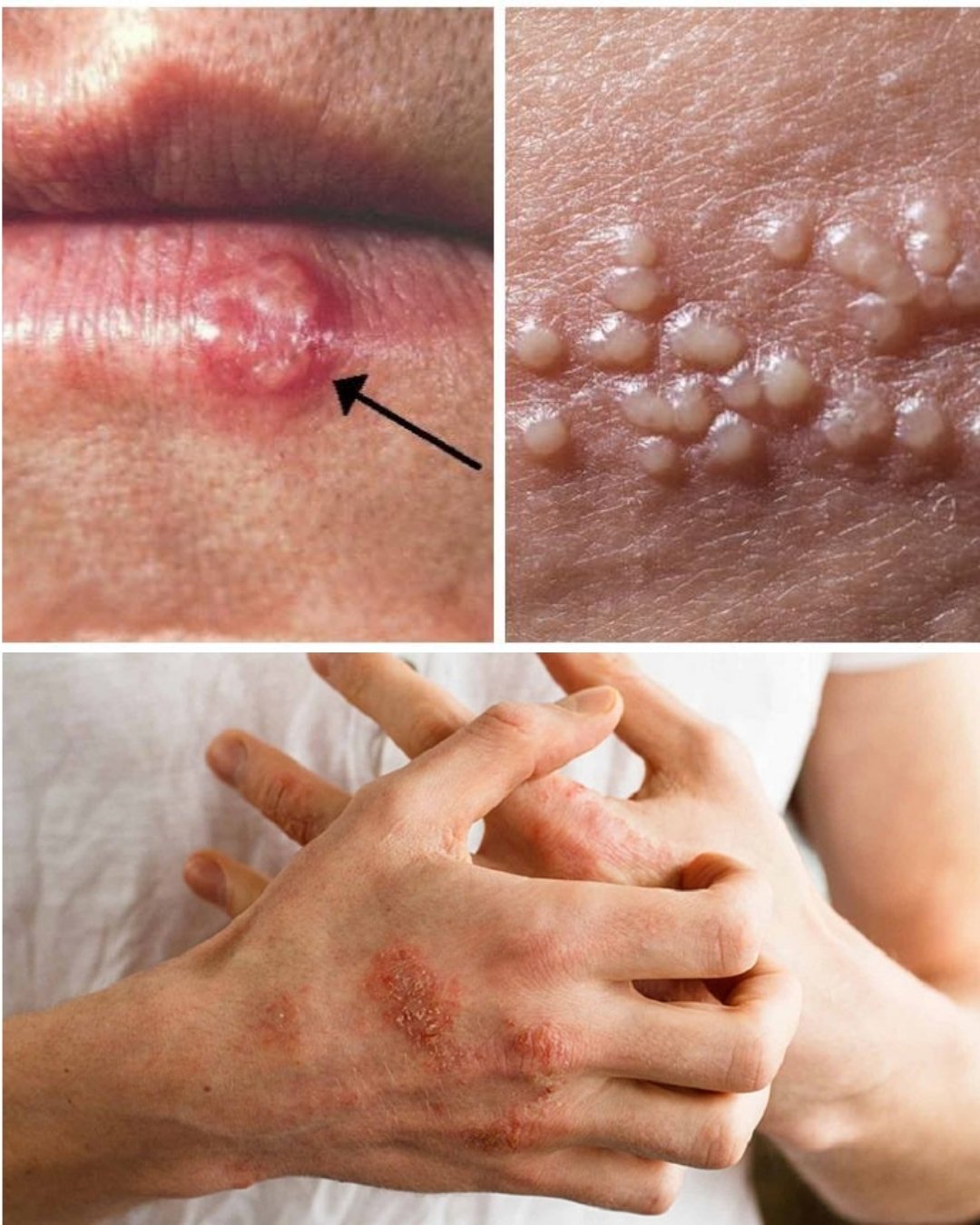
🚨 Recurrent Rashes or Blisters on Lips or Private Areas? This Is NOT Normal – Here’s What Your Body Is Telling You
Many people brush it off.
Many people stay silent.
And many people keep suffering in cycles without knowing why.
If you keep getting rashes, sores, or small blisters around your lips or private areas that appear, heal, and then come back again — especially after intimate contact, friction, or skin rubbing — your body may be trying to warn you.
This is not random.
This is not just “sensitive skin.”
And it’s definitely not something to ignore.
Let’s break down what causes it, why it keeps returning, and how to protect yourself.
1. Why Do These Rashes or Blisters Keep Coming Back?
When skin problems return in the same area again and again, it usually means something is triggering the immune system or damaging the skin barrier.
Common reasons include:
Viral infections that stay dormant in the body
Skin-to-skin transmission
Friction and micro-tears in the skin
Weakened immune response
Chronic irritation or inflammation
The key point:
👉 Recurring = underlying cause.
It’s not just bad luck.
2. The Most Common Causes (Explained Simply)
A. Herpes Simplex Virus (HSV-1 & HSV-2)
One of the most common causes of recurrent blisters around lips or private areas.
Typical signs:
Small clusters of fluid-filled blisters
Tingling, itching, or burning before they appear
Healing, then returning weeks or months later
Important to know:
It can be transmitted through close skin contact
Many people have it without realizing
Stress, illness, or friction can trigger flare-ups
B. Contact Dermatitis (Skin Reaction)
Sometimes it’s not an infection — it’s your skin reacting to something.
Triggers can include:
Soaps, gels, wipes
Latex, lubricants, or fabrics
Sweat and friction


Symptoms:
Redness
Itching
Burning
Rash that improves, then comes back after exposure
C. Fungal or Yeast Overgrowth
Warm, moist areas are ideal for yeast.
Signs:
Red patches
Itching or stinging
Peeling or cracking skin
These can worsen with:
Tight clothing
Sweat
Poor air circulation
D. Autoimmune or Inflammatory Skin Conditions
Conditions like:
Eczema
Psoriasis
Lichen planus
Can affect:
Lips
Hands
Intimate skin areas
They often:
Flare under stress
Improve, then return
Cause dry, cracked, irritated patches

3. Why Does It Flare After Intimate Contact or Friction?
Because friction does three things:
Creates tiny breaks in the skin
Triggers inflammation
Activates dormant viruses or irritation
So even if the issue is “sleeping” in your body, friction wakes it up.
That’s why many people notice:
Symptoms after close contact
Irritation after sweating or rubbing
Flares after physical activity involving skin contact
4. Why Ignoring It Is a Big Mistake
When you ignore recurring skin problems in sensitive areas:
Infections can spread
Flare-ups become more frequent
Healing takes longer
Discomfort increases
Emotional stress builds
And worst of all:
👉 You miss the chance to control it early.
Early action = fewer outbreaks, less pain, better skin health.
5. How to Protect Yourself (Smart & Safe Steps)
1. Keep the Area Clean and Dry
Gentle, fragrance-free cleansing
Avoid harsh soaps
Pat dry, don’t rub
2. Avoid Irritants
No scented products
No harsh wipes
No tight, synthetic fabrics
3. Reduce Friction
Wear breathable clothing
Use skin-protective barriers if needed
Give irritated skin time to heal

4. Support Your Immune System
Sleep well
Manage stress
Eat balanced meals
Stay hydrated
Your immune system plays a huge role in whether flare-ups happen.
5. Get Proper Medical Advice
If blisters or rashes:
Keep returning
Are painful
Are in the same spot every time
Or don’t heal fully
👉 A healthcare professional should evaluate them.
This is about protection, not embarrassment.
6. The Truth Most People Don’t Talk About
Recurrent blisters or rashes in sensitive areas are extremely common.
People just don’t talk about them.
Silence = delay.
Delay = more problems.
There is no shame in skin health.
There is no weakness in asking questions.
There is no benefit in ignoring warning signs.
7. Key Takeaways
If you remember nothing else, remember this:
Recurring = not random
Blisters = not normal
Flares after contact = signal
Your body is communicating with you
Listen to it.
Final Word
If this information helped you understand something you’ve been confused about, share it.
Someone out there is dealing with this quietly and thinking they’re alone.
They’re not.
And now, neither are you.