
Have you ever felt an uncomfortable fullness after eating just a small amount? Or noticed persistent bloating that makes your clothes feel tighter than usual? These everyday sensations are easy to dismiss as indigestion, stress, or hormonal shifts. But for some women, they can be subtle clues to something more serious—like ovarian cancer.
Ovarian cancer often develops quietly, earning it the nickname “silent killer.” According to major health organizations, symptoms usually appear when the disease has progressed, but early awareness of changes can prompt timely medical checks. While ovarian cancer is relatively uncommon (lifetime risk is about 1 in 78), recognizing potential warning signs may lead to earlier evaluation and better possibilities for management.
In this article, we’ll count down 8 key signs commonly associated with ovarian cancer, based on guidance from trusted sources like the American Cancer Society, Mayo Clinic, and Cleveland Clinic. These symptoms are often vague and can stem from many benign causes—only a healthcare professional can provide a proper assessment. If something feels persistently off, trust your instincts and seek advice.
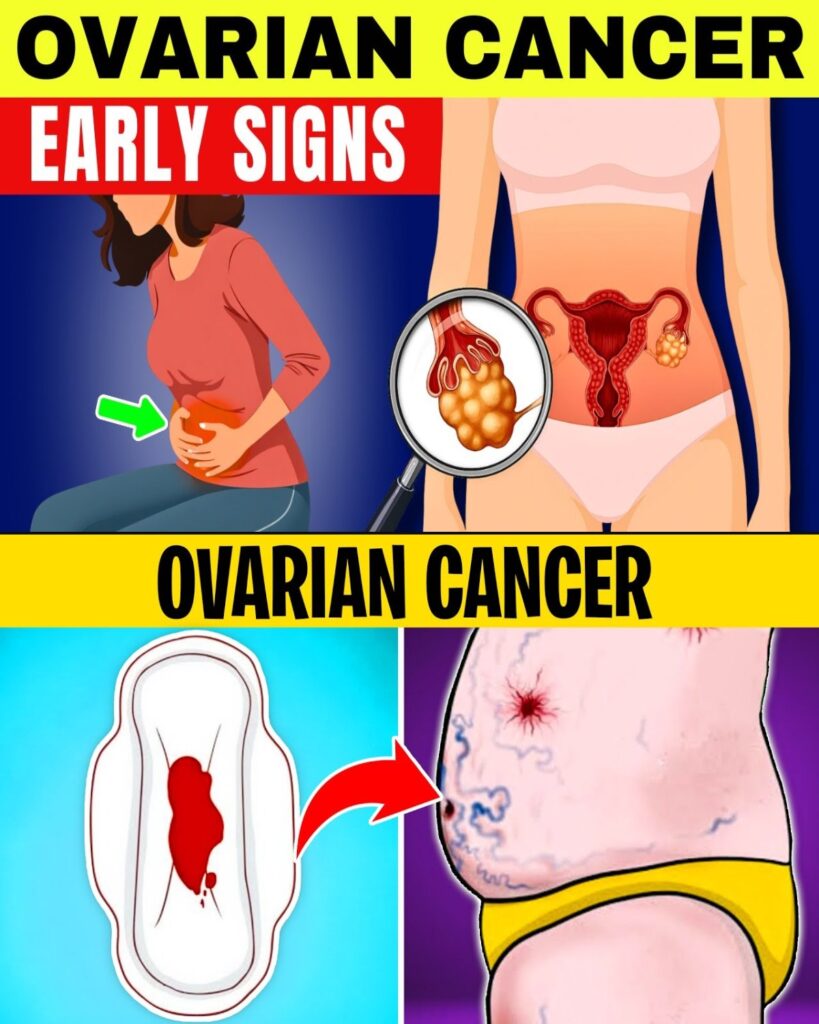
Here are some helpful infographics that visually outline common ovarian cancer symptoms to make them easier to recognize:
Now, let’s explore the countdown—starting from number 8.
Sign 8: Changes in Bowel Habits
You might notice ongoing constipation, diarrhea, or a sense that your bowels aren’t emptying completely.
These shifts can occur when a growing mass presses on nearby intestines. Many women attribute them to diet or IBS, but if they persist without clear cause, they’re worth monitoring.

Sign 7: Frequent or Urgent Need to Urinate
Feeling the need to urinate more often than usual, even when your bladder isn’t full, or experiencing urgency that disrupts daily life.
Pressure from tumors or fluid buildup can irritate the bladder. This might mimic a UTI, but without infection, it raises questions.
Sign 6: Pelvic or Abdominal Pain
A dull ache, pressure, or discomfort in the lower abdomen or pelvis that lingers or comes and goes.
This can feel like menstrual cramps or digestive upset, but when it’s new or persistent, it may signal something deeper. Early stages sometimes involve subtle discomfort rather than sharp pain.
Sign 5: Feeling Full Quickly While Eating
Getting full after just a few bites or struggling to finish normal meals.
This “early satiety” often results from abdominal pressure or fluid accumulation. It’s frustrating and can lead to unintended weight changes over time.
Sign 4: Persistent Bloating or Swelling
Your abdomen feels swollen or distended, like you’re “puffy” most days, even without overeating.
Bloating is one of the most reported symptoms and can make you look pregnant when you’re not. Research shows it often occurs more frequently or severely in cases linked to ovarian concerns.

Here’s another visual guide showing how bloating and abdominal changes might appear:
Sign 3: Unexplained Fatigue
Constant tiredness that doesn’t improve with rest, even after a good night’s sleep.
Fatigue can stem from the body’s response to abnormal growths or anemia sometimes associated with cancer. If it’s a noticeable change from your baseline, pay attention.
Sign 2: Back Pain or Lower Back Discomfort
A new or worsening ache in the lower back that doesn’t respond to usual remedies.
This can happen when tumors affect nearby structures or cause referred pain. Many women first notice it as “just a bad back,” but combined with other signs, it merits discussion.
Sign 1: Abdominal Discomfort or Increased Girth
General unease in the belly, often with a sense of fullness, swelling, or a growing waistline.
This tops many lists because it combines bloating, pressure, and visible changes. Studies indicate that persistent abdominal symptoms are among the earliest and most common clues when present.
But could these really indicate ovarian cancer? The honest answer: Most often, no. These signs frequently point to everyday issues like digestive problems, menopause, or minor infections. Ovarian cancer remains rare. However, when symptoms are new, persistent (lasting more than a few weeks), worsening, or occur together, the pattern becomes more concerning.

Consider Emily, a 54-year-old teacher who ignored increasing bloating and early fullness for months, thinking it was perimenopause. When she finally sought help, early detection made a significant difference in her treatment path. Or take Maria, 62, who noticed frequent urination and pelvic pressure—quick evaluation revealed a treatable condition before it advanced.
These real-life examples show why paying attention matters—early medical input can open more options.
What Should You Do If You Notice These Signs?
Keep a simple symptom journal for 2–4 weeks: note how often symptoms occur, their severity, and any patterns. If they happen frequently (e.g., more than 12 times a month for key signs like bloating or fullness) or don’t improve, schedule a visit with your doctor or gynecologist.
They may perform a pelvic exam, blood tests (like CA-125, though not definitive alone), or imaging such as ultrasound. For women with higher risk factors (family history, BRCA mutations, or previous cancers), regular monitoring may be recommended.
Bottom line: Your body often whispers before it shouts. Listening to persistent changes empowers you to take action. You’re your best advocate—don’t hesitate to speak up.
P.S. September is Ovarian Cancer Awareness Month in many places—wearing teal or sharing knowledge can help spread the word and support others.
This article is for informational purposes only and is not a substitute for professional medical advice. Ovarian cancer symptoms can overlap with many other conditions. Readers are strongly encouraged to consult a healthcare provider for any concerning symptoms and receive personalized guidance. Early evaluation is always the best step—your health deserves attention.
