
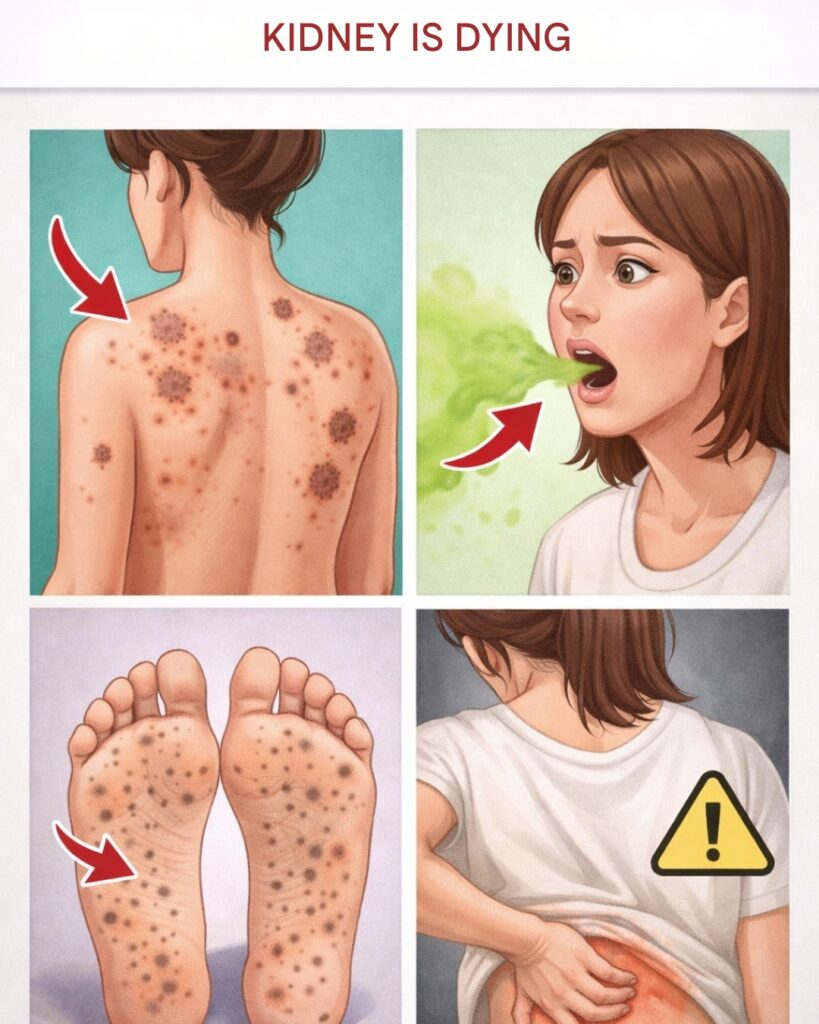
🚨 23 Early Warning Signs Your Kidneys May Be Asking for Support
A Gentle Guide to Kidney Awareness and Everyday Protection
Your kidneys are two small, bean-shaped organs that work quietly every day to keep your body in balance.
They help filter waste, regulate blood pressure, balance minerals, control fluids, and even support red blood cell production.
Because they work silently, kidney issues often develop without obvious pain. In many cases, early signals are subtle and easy to overlook—until problems become more serious.
Learning to recognize these early warning signs can help you take action sooner and protect long-term kidney health.
🩺 23 Signs Your Kidneys May Need Attention
1. Persistent Fatigue
Kidneys help produce erythropoietin, a hormone linked to red blood cell production. When this balance is disrupted, ongoing tiredness or weakness may appear.
2. Difficulty Sleeping
Waste buildup in the bloodstream may affect sleep quality and contribute to restlessness or poor rest.
3. Dry or Itchy Skin
Healthy kidneys help regulate minerals. Imbalances may sometimes show up as dry, flaky, or itchy skin.
4. Frequent Nighttime Urination
Waking often to urinate at night can be associated with kidney or urinary tract concerns.
5. Foamy Urine
Excessive foam may indicate protein in the urine, a sign worth checking.
6. Swelling in Feet, Ankles, or Hands
Fluid retention can occur when kidneys struggle to manage sodium and fluids efficiently.
7. Puffy Eyes
Loss of protein through urine may lead to swelling around the eyes, especially in the morning.
8. high blood pressure
Kidneys play a key role in blood pressure regulation. Changes here can affect both systems.
9. Shortness of Breath
Fluid imbalance or anemia linked to kidney function may contribute to breathing discomfort.
10. Metallic Taste in the Mouth
Waste accumulation can sometimes alter taste perception or cause unpleasant breath.
11. Reduced Appetite
Digestive discomfort or nausea may affect appetite when toxins build up.
12. Muscle Cramps
Electrolyte imbalances involving potassium, calcium, or sodium may trigger cramps.
13. Trouble Concentrating
Reduced oxygen delivery to the brain can affect focus and mental clarity.
14. Feeling Cold Frequently
Anemia associated with kidney challenges may cause sensitivity to cold.
15. Lower Back or Side Pain
Pain near the kidneys may be linked to stones, infections, or other conditions.
16. Changes in Skin Color
Waste buildup may sometimes give the skin a grayish or yellowish appearance.
17. Ongoing Itching on Back or Arms
Not all itching is skin-related—sometimes it reflects internal imbalance.

18. Unexplained Weight Loss
Loss of appetite, nausea, or vomiting may lead to unintended weight changes.
19. Nausea or Vomiting
Digestive discomfort can occur when waste is not properly filtered.
20. Strong or Unusual Breath Odor
High urea levels may cause breath to smell ammonia-like.
21. Reduced Urine Output
Producing less urine than usual can be an early warning sign.
22. Dark or Bloody Urine
Changes in urine color or visible blood should never be ignored.
23. Abdominal Swelling
Severe fluid retention may cause bloating or abdominal enlargement.
🛡️ Simple Ways to Support Kidney Health
If you recognize several of these signs, it’s important not to ignore them. Early evaluation makes a difference.
Helpful everyday habits include:
Staying well hydrated
Following a kidney-friendly diet (lower salt, balanced protein)

Managing blood pressure and blood sugar
Avoiding overuse of pain relievers and anti-inflammatory medications
Scheduling regular health checkups

💚 Final Thoughts
Kidneys rarely “complain” loudly until they are under significant strain.
By paying attention to early warning signs and adopting supportive habits, you give yourself the opportunity to act early and protect your health.
Awareness is not about fear—it’s about empowerment and prevention.
⚠️ Disclaimer
This article is for educational purposes only and does not replace medical advice. If you experience ongoing or concerning symptoms, consult a qualified healthcare professional for proper evaluation.
