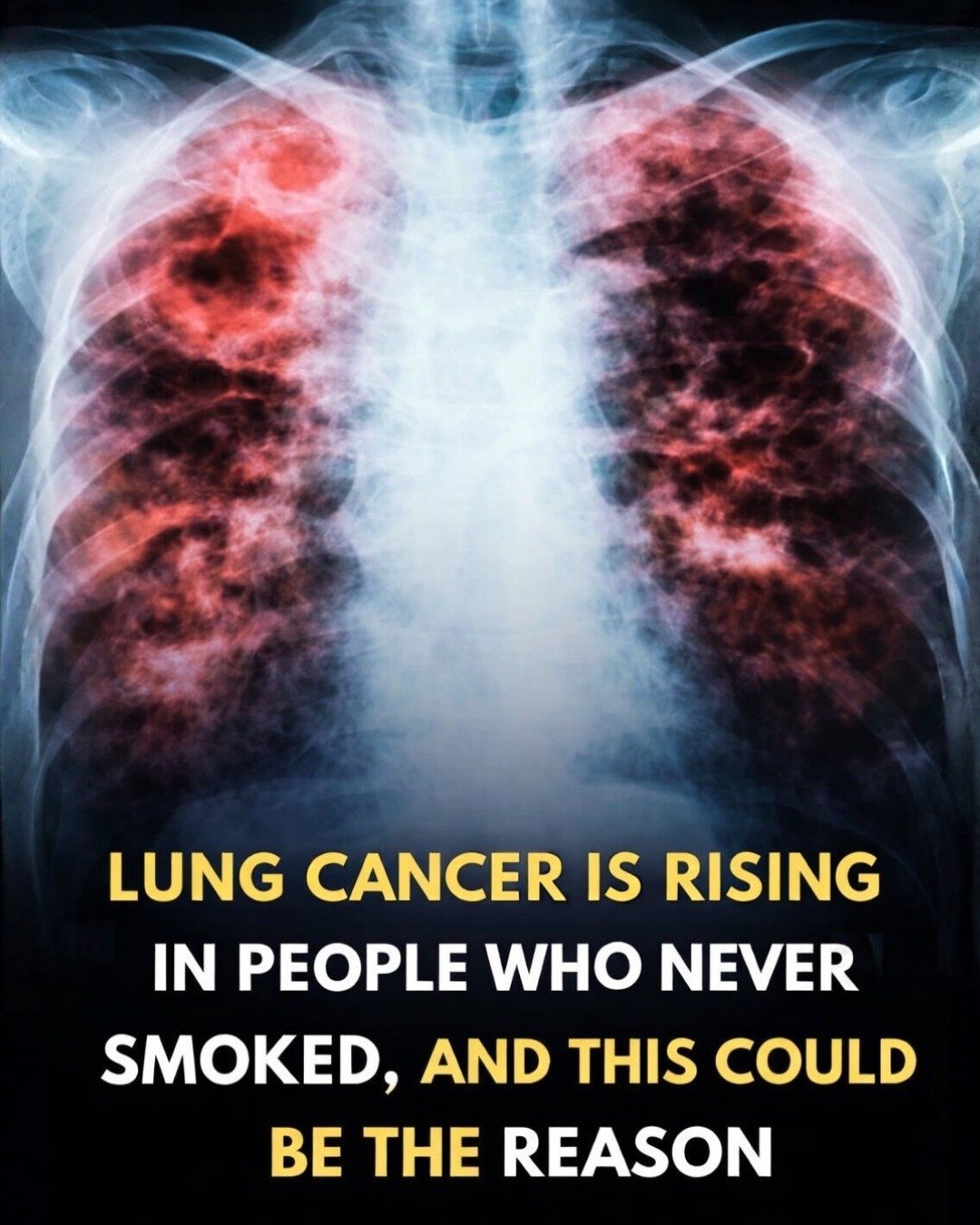
Lung cancer is often seen as a smoker’s disease, but statistics are telling a different story. Today, up to 20% of new lung cancer diagnoses occur in people who have never smoked. This alarming trend is especially visible among women and younger adults, with adenocarcinoma emerging as the most common subtype.
If tobacco isn’t the culprit, what is silently damaging the lungs of non-smokers?
Research points to a combination of air pollution, radon exposure, genetic mutations, and chronic inflammation linked to lifestyle. Understanding these hidden risks — and acting early — can make the difference between late detection and successful treatment.

Air Pollution: The Constant, Invisible Enemy
Fine particulate matter such as PM2.5 and PM10, produced by vehicle exhaust, industrial emissions, and wildfires, can penetrate deep into the lungs. Once lodged in the alveoli, these particles cause chronic irritation, oxidative stress, and DNA damage — all of which can trigger malignant changes over time.
Living or working near busy roads significantly increases daily exposure, often without noticeable symptoms.
How to Reduce Your Exposure
Ventilate your home during off-peak traffic hours.
Use a HEPA air purifier if you live in a large city.
Choose walking or jogging routes away from heavy traffic.
Avoid outdoor exercise during pollution spikes.
Radon: A Little-Known but Serious Risk
Radon is a naturally occurring radioactive gas released from granite and soil. It can seep through cracks in floors and walls and accumulate in basements and ground-level rooms. It is the second leading cause of lung cancer in non-smokers.

Colorless, odorless, and tasteless, radon releases radioactive particles that damage lung cell DNA when inhaled over long periods.
How to Detect and Fix Radon Issues
Use a radon detection kit or hire a certified inspection service.
If levels exceed 200 Bq/m³, install ventilation systems or seal foundation cracks.
Maintain daily cross-ventilation, especially in lower levels of the home.
Genetics: When Lifestyle Isn’t the Cause
In many non-smokers, lung cancer is driven by specific genetic mutations such as EGFR, ALK, KRAS, and ROS1. These are especially common in women and individuals of Asian descent.
The good news is that modern targeted therapies can dramatically improve survival in patients with these mutations, even in advanced stages.
When to Consider Genetic Testing
Family history of lung cancer before age 60
Diagnosis of another cancer linked to these mutations
Belonging to a higher-risk group (e.g., Asian non-smokers)
Inflammatory Lifestyle: Diet, Inactivity, and Weight
A diet low in fruits and vegetables reduces the intake of antioxidants that protect cells from damage. At the same time, sedentary behavior and excess weight promote chronic inflammation, weakening the body’s ability to neutralize toxins and repair cellular injury.
Over time, this inflammatory environment creates favorable conditions for cancer development — even in people with clean lungs and no smoking history.

Simple Changes That Matter
Eat at least five servings of different-colored fruits and vegetables daily.
Walk briskly for 30 minutes a day, preferably away from traffic.
Maintain a healthy BMI to reduce systemic inflammation.
Stay well-hydrated to support detoxification.
Rethinking Screening: New Risk Profiles
Low-dose CT scans can detect tiny lung nodules early, but current screening guidelines mainly target heavy smokers. With lung cancer rising among non-smokers, many specialists now argue that high radon exposure, prolonged air pollution, and strong family history should also qualify someone for screening.
How to Talk to Your Doctor
Bring concrete information:
Years living in high-pollution areas
Radon levels in your home
Family history of lung or related cancers
Persistent symptoms such as dry cough, chest discomfort, or unexplained fatigue
Ask for an individualized risk assessment rather than relying only on smoking history.

FAQ
I don’t smoke, but I live in a big city. Should I worry?
Yes. Long-term exposure to urban pollution increases lung cancer risk, especially if you spend a lot of time near traffic.
Is radon testing expensive?
No. Many affordable kits are available and can be left in the home for a few months before lab analysis. It’s a small investment that can prevent major health and structural costs later.
Does exercise really lower lung cancer risk in non-smokers?
Yes. Regular physical activity improves lung function, reduces inflammation, and enhances the body’s ability to repair cellular damage.
Who should consider genetic testing for EGFR or ALK?
People with strong family history, early-onset cases, or from high-prevalence groups (such as Asian women) should discuss this with a specialist.
Conclusion
The rise of lung cancer in people who never smoked proves that cigarettes are not the only threat to our lungs. Invisible dangers in the air, hidden gases in our homes, genetic factors, and inflammatory lifestyles all play a role.
Monitoring your environment, testing for radon, maintaining an anti-inflammatory lifestyle, and discussing personalized screening with your doctor form the most effective strategy to protect your lungs — even if you’ve never touched a cigarette.
Early awareness is no longer optional. It’s essential.