
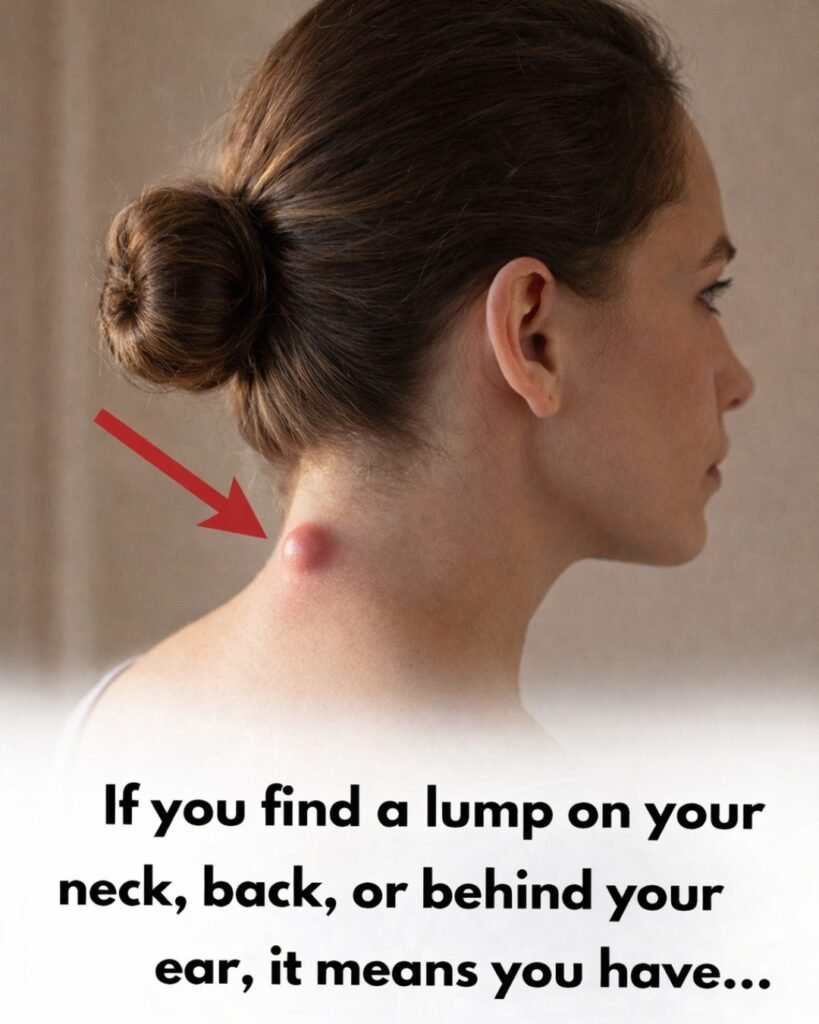
Lumps and Cysts: Signs, Causes, and Essential Care for Your Health
Have you noticed a lump or cyst on your body? Discover how to identify common types, understand warning signs, and know when it’s time to seek safe medical advice.
Finding a lump under the skin can cause immediate concern, but not all lumps indicate serious health problems. These nodules can appear in different areas such as the neck, back, armpits, or behind the ear. Understanding their characteristics is key to responding calmly and appropriately.
Many people discover lumps that are painless and slow-growing. In several cases, they are linked to blocked hair follicles, minor skin injuries, or natural skin processes. Learning to recognize the most common types helps you decide the right level of care.
Common Types of Lumps and Cysts
Some skin lumps are more frequent and usually harmless. The most common include:
Epidermoid cysts: Round, firm nodules beneath the skin caused by keratin buildup. They are usually painless but may release a whitish substance if ruptured.
Lipomas: Soft, movable lumps made of fatty tissue. They grow slowly and are generally harmless.
Swollen lymph nodes: Often associated with infections or inflammation. They may feel tender or painful to the touch.
Sebaceous cysts: Similar to epidermoid cysts, forming in oil glands and sometimes becoming inflamed.
Unusual hard nodules: Firm, irregular, or fixed lumps should be evaluated promptly to rule out more serious conditions.
Correct identification plays an important role in deciding whether simple observation or medical evaluation is needed.

What If the Lump Hurts?
Although many lumps are harmless, pain can occur when a cyst becomes inflamed or infected. In these situations, observing changes is essential. Pay attention to:
Rapid increase in size
Changes in texture or color
Warmth, redness, or tenderness
Discharge of pus or foul-smelling fluid
Painful lumps should never be ignored, especially if symptoms worsen over time.
When to Seek Medical Attention
Most lumps and cysts are not medical emergencies. However, professional evaluation is strongly recommended if you notice:
Rapid growth or visible changes in shape
Persistent pain or increasing sensitivity
Discharge with an unpleasant odor

Fever or general discomfort

A healthcare professional can rule out serious conditions and recommend the safest treatment options.
Safe Home Care and Daily Monitoring
Some people try home remedies such as warm compresses, natural oils, or aloe vera. These methods may reduce mild discomfort but do not treat the underlying cause. They should never replace professional assessment.
Practical daily care tips include:
Examine the affected area regularly
Note any changes in size, color, or texture
Avoid squeezing or manipulating the lump
Keep the skin clean and well-hydrated
Simple observation often makes a big difference in early detection.
Factors That Increase the Risk of Skin Lumps
Certain factors can make some individuals more prone to developing lumps or cysts, such as:

Family history of cysts or lipomas
Severe or chronic acne
Repeated skin injuries or friction
Hormonal changes or metabolic disorders
Adults, especially men, may experience these nodules more frequently, but they can affect anyone.
Final Thoughts
Monitoring lumps and cysts early is an important part of maintaining skin health and overall well-being. While many small nodules are benign, paying attention to warning signs ensures that no serious condition goes unnoticed. When in doubt, professional medical guidance is always the safest choice.
