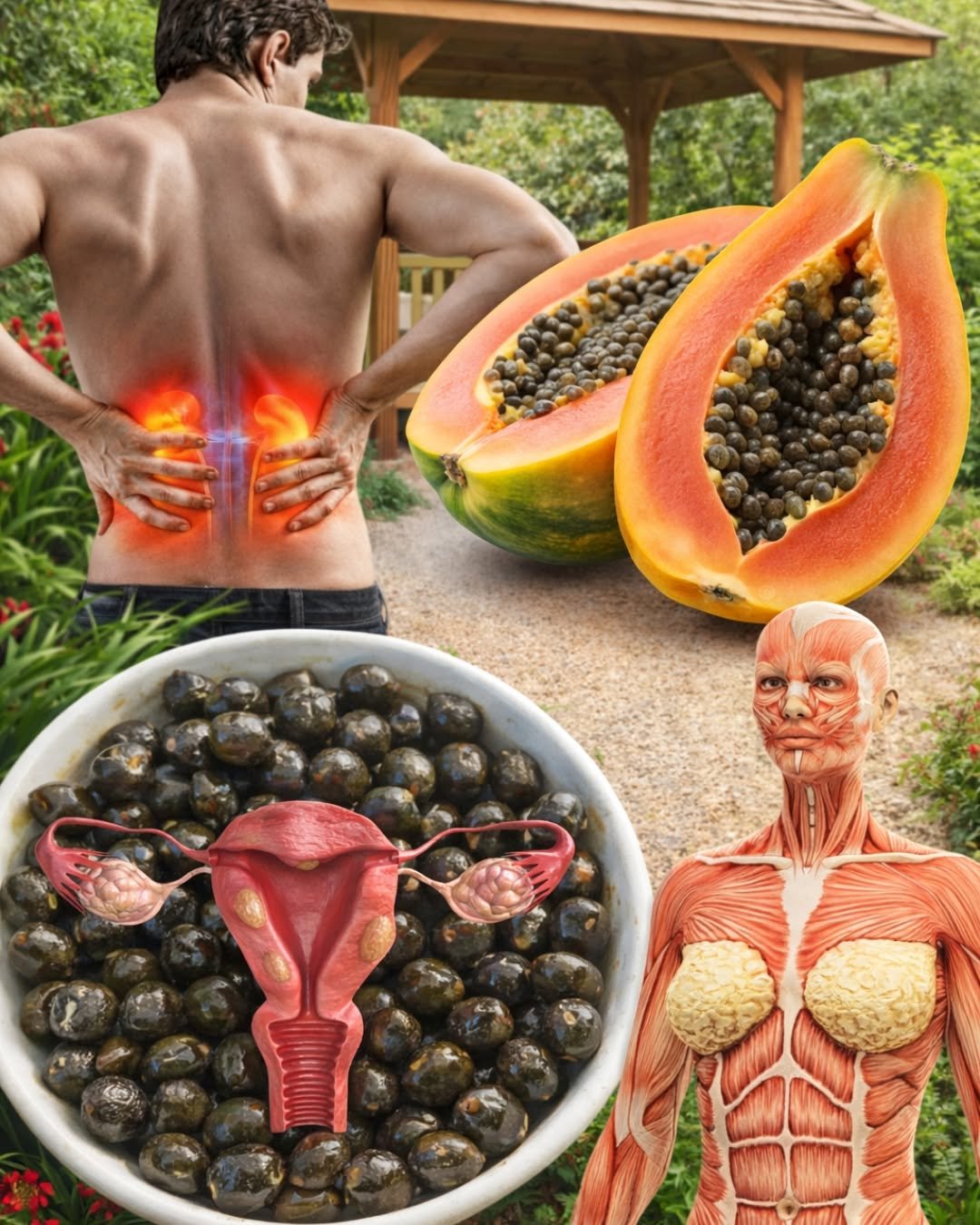
Unlocking the Hidden Potential of Papaya Seeds: 8 Science-Backed Benefits, Safe Uses, and Precautions
Papaya is loved for its sweet, tropical flavor, but the tiny black seeds inside are often thrown away. Surprisingly, these peppery-tasting seeds contain fiber, healthy fats, antioxidants, and plant compounds that have attracted scientific interest for their potential health benefits.
While papaya seeds are not a miracle food or a medical treatment, they can be a nutritious addition to a balanced diet when consumed in moderation. Here’s what current research and traditional use suggest.
What Nutrients Do Papaya Seeds Contain?
Papaya seeds are rich in several beneficial compounds, including:
- Dietary fiber
- Healthy monounsaturated fats
- Polyphenols and flavonoids (antioxidants)
- Papain and other digestive enzymes
- Small amounts of minerals like magnesium and potassium
These nutrients may help support digestion, heart health, and overall wellness.
1. May Support Healthy Digestion
Papaya contains the enzyme papain, which helps break down proteins during digestion. Although most papain is found in the fruit and latex, the seeds also contain digestive compounds that may support gastrointestinal function.
The fiber in papaya seeds may also:
- Promote regular bowel movements
- Support healthy gut bacteria
- Help reduce occasional constipation
Tip: Start with a very small amount if you’ve never eaten papaya seeds before.
2. Rich in Antioxidants
Free radicals can damage cells over time through oxidative stress.
Papaya seeds contain antioxidants such as:
- Polyphenols
- Flavonoids
- Vitamin-related plant compounds
A diet rich in antioxidants has been associated with better overall health and may help protect cells from everyday oxidative damage.
3. May Help Support Heart Health
The healthy fats, antioxidants, and fiber found in papaya seeds may contribute to cardiovascular wellness by helping support:
- Healthy cholesterol levels
- Normal blood vessel function
- Reduced oxidative stress
Heart health depends on many lifestyle factors, including regular exercise, a balanced diet, and avoiding smoking.
4. Contains Natural Antimicrobial Compounds
Laboratory studies have shown that papaya seed extracts may inhibit the growth of certain bacteria and fungi.
However:
- Most evidence comes from test-tube studies.
- More human research is needed.
- Eating papaya seeds should not replace appropriate medical treatment for infections.
5. May Support Liver Health
Some animal studies suggest papaya seed extracts may help protect liver cells from oxidative stress.
Although these findings are promising:
- Human evidence remains limited.
- Papaya seeds should not be considered a treatment for liver disease.
A healthy liver is best supported through:
- Limiting alcohol
- Maintaining a healthy weight
- Eating plenty of fruits and vegetables
- Managing diabetes if present
6. May Promote Fullness
Because papaya seeds contain fiber and healthy fats, they may help increase feelings of fullness after meals.
Including fiber-rich foods in your diet may support healthy weight management when combined with:
- Balanced nutrition
- Portion control
- Physical activity
7. Adds a Peppery Flavor to Meals
One of the easiest ways to enjoy papaya seeds is as a seasoning.
After washing and drying them:
- Grind into a powder
- Use as a substitute for black pepper
- Sprinkle over salads, soups, roasted vegetables, or grilled foods
Their spicy, slightly bitter taste pairs well with savory dishes.
8. Helps Reduce Food Waste
Using papaya seeds instead of throwing them away is also an environmentally friendly habit.
Making use of more parts of fruits and vegetables can help reduce kitchen waste while adding variety to your diet.
How to Eat Papaya Seeds Safely
If you’d like to try papaya seeds, moderation is important.
Fresh
- Rinse thoroughly.
- Eat 5–10 seeds occasionally if tolerated.
Ground
- Dry the seeds.
- Grind into a fine powder.
- Use as a seasoning.
Smoothies
Blend a small amount into fruit smoothies for a subtle nutritional boost.
Precautions
Papaya seeds are generally safe in small culinary amounts, but there are important considerations:
- Large amounts may cause stomach upset or diarrhea.
- Avoid excessive consumption.
- People who are pregnant or trying to conceive should avoid consuming large quantities of papaya seeds because some animal studies have suggested potential reproductive effects; human evidence is limited.
- If you have a medical condition or take prescription medications, consult your healthcare provider before consuming papaya seeds regularly.
Frequently Asked Questions
Can you eat papaya seeds every day?
Small amounts are generally considered acceptable for most healthy adults, but there is limited research on long-term daily consumption. Variety in the diet is recommended.
Do papaya seeds kill parasites?
Some laboratory and small preliminary studies have explored antiparasitic effects, but there is not enough high-quality evidence to recommend papaya seeds as a treatment. If you suspect a parasitic infection, seek medical evaluation.
Are papaya seeds good for weight loss?
They may support fullness because of their fiber content, but no single food causes weight loss. Sustainable weight management depends on overall diet and lifestyle.
Final Thoughts
Papaya seeds are an often-overlooked part of the fruit that provide fiber, antioxidants, and other beneficial plant compounds. They may support digestion, contribute to a healthy diet, and add a unique peppery flavor to meals.
Rather than viewing them as a cure-all, think of papaya seeds as one nutritious ingredient within an overall healthy eating pattern. Used in moderation and alongside a balanced lifestyle, they can be a simple way to make the most of this tropical fruit.