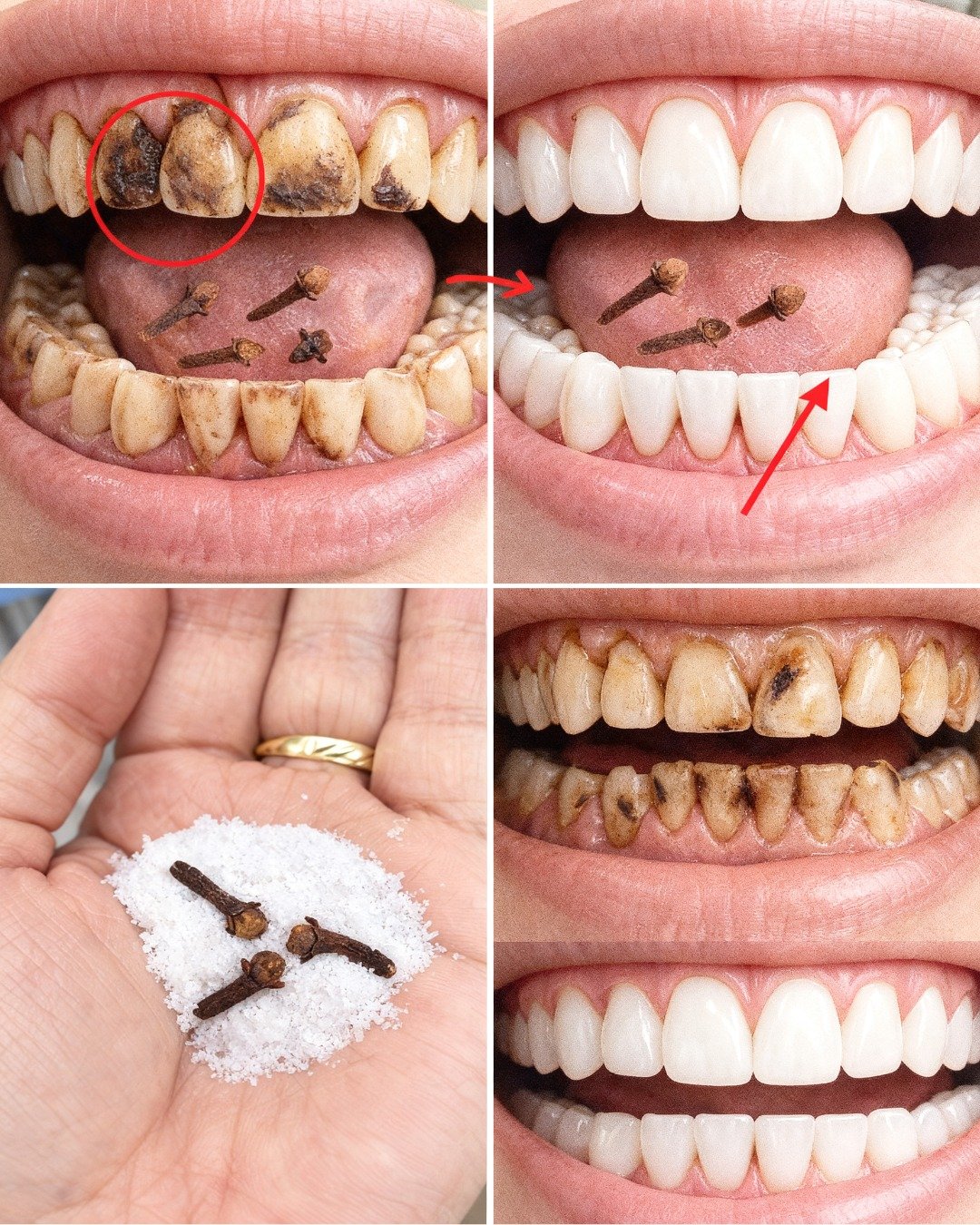
Plaque buildup affects millions of adults, often leading to tartar formation, bad breath, gum sensitivity, and that frustrating rough feeling on teeth despite regular brushing. When plaque hardens into tartar, it becomes much tougher to manage at home, increasing risks like inflammation and higher chances of needing professional interventions. Many people feel self-conscious about their smile or worry about ongoing oral discomfort from daily habits like coffee or stress.
The good news is that gentle, supportive habits using everyday items can complement your regular brushing and flossing routine. These approaches draw from traditional practices and emerging research showing potential benefits for bacterial balance and softer plaque. Stick around—by the end, you’ll discover a realistic way to combine these for noticeable improvements in freshness and confidence, plus a key mindset shift that makes prevention feel effortless.
Why Plaque and Tartar Are So Common
Dental plaque is a sticky film of bacteria that forms constantly on teeth. If not removed effectively, it mineralizes into tartar (calculus), a hard deposit that brushing alone can’t eliminate. Studies indicate that about 68% of adults have some tartar buildup, often linked to age, diet, and lifestyle factors.
Tartar creates rough surfaces where more plaque sticks, potentially leading to gum irritation or other issues. The key? Focus on reducing plaque before it hardens while supporting overall oral balance.
Core Foundations: Daily Habits That Make the Biggest Difference
Before exploring natural additions, strengthen these basics—they form the strongest defense against buildup.
- Brush Properly Twice Daily
Use a soft-bristled toothbrush for two minutes with circular motions. This removes plaque mechanically without damaging enamel. - Floss or Use Interdental Tools Daily
Cleaning between teeth reaches areas brushes miss, preventing interproximal plaque from accumulating. - Stay Hydrated and Mind Your Diet
Drinking water rinses away debris, while reducing sugary/acidic foods limits bacterial fuel. Crunchy fruits and veggies like apples or carrots act as natural scrubbers.
Research consistently shows these habits, combined with professional checkups, outperform isolated remedies.
Gentle Natural Approaches to Support Your Routine
These methods may help soften plaque or support bacterial balance. Use them cautiously, in moderation, and always alongside—not instead of—standard care.
1. Coconut Oil Pulling
Swish 1 tablespoon of coconut oil in your mouth for 10–15 minutes daily (ideally in the morning), then spit it out and rinse.
Studies, including a 2015 trial on adolescents, found coconut oil pulling reduced plaque significantly, likely due to lauric acid’s antimicrobial effects. It may lower bacterial load and ease mild inflammation.

Tip: Start with 5 minutes if new to it—don’t swallow the oil.
2. Baking Soda Paste (Used Sparingly)
Mix a pinch of baking soda with water into a paste; brush gently 2–3 times per week, followed by regular fluoride toothpaste.
A 2017 review noted baking soda toothpaste reduces plaque effectively due to its mild abrasiveness and acid-neutralizing properties. It stays within safe limits for enamel when used occasionally.
Caution: Overuse can wear enamel—limit frequency.
3. Clove for Soothing Support
Crush a clove or use diluted clove oil (mixed with a carrier like olive oil) and apply gently to gums.
Eugenol in cloves offers antibacterial and soothing benefits, with research supporting its role in reducing oral bacteria and discomfort.
Tip: Dilute properly to avoid irritation.
4. Aloe Vera Gel Massage
Apply pure aloe vera gel to gums and teeth, massage gently, then rinse.
Aloe vera has anti-inflammatory and antibacterial properties; studies show it may reduce plaque and support gum health when used as a rinse or gel.
Bonus: It’s gentle for sensitive mouths.

5. Vitamin C-Rich Foods Like Tomatoes
Eat fresh tomatoes raw or in salads daily.
Vitamin C supports gum tissue health and collagen, with antioxidants potentially aiding inflammation reduction. Foods like tomatoes provide this naturally without harsh acidity.
6. Diluted Lemon Juice Rinse (Very Sparingly)
Dilute fresh lemon juice (1 part juice to 3 parts water), swish 30 seconds, then rinse thoroughly—1–2 times weekly max.
Citric acid may disrupt some bacteria, but high acidity risks enamel erosion. Always dilute and avoid brushing right after.
Pro Tip: Wait 30 minutes post-rinse before brushing.
7. Saltwater Rinse
Dissolve 1/2 teaspoon salt in warm water; swish for 30 seconds daily.
This simple rinse supports bacterial balance and soothes gums, a traditional approach backed by general antimicrobial effects.
8. Cheese or Dairy After Meals
Eat a small piece of cheese post-meals.
Cheese stimulates saliva, neutralizes acids, and may coat enamel protectively, with some evidence linking it to reduced decay risk.
9. Sugar-Free Gum Chewing
Chew xylitol-sweetened gum for 20 minutes after eating.
It boosts saliva flow to wash away debris and may inhibit bacterial growth.
Quick Comparison: Natural Supports vs. Common Concerns
- Surface Plaque Reduction — Baking soda paste, coconut oil pulling (2–3× weekly/daily) — Gentle use only
- Bacterial Balance — Clove application, saltwater rinse (daily/occasional) — Don’t overuse oils
- Gum Comfort — Aloe vera massage, vitamin C foods (3–5× week) — Dilute any acids
- Overall Prevention — Diet tweaks + daily brushing/flossing (ongoing) — No substitute for pro cleanings
Advanced Tips for Lasting Results
- Wait 30 minutes after acidic foods/rinses before brushing to protect enamel.
- Introduce 1–2 new habits at a time to track what works.
- Take weekly mirror selfies to monitor texture and brightness—small wins build motivation.
- Replace your toothbrush every 3 months.
Conclusion: Small Steps, Big Smile Payoff
These gentle approaches, when paired with consistent brushing, flossing, and regular dental visits, support a fresher, smoother smile over time. The real transformation comes from viewing oral care as a daily investment rather than a chore.
Imagine 30 days from now: less fuzzy film, fresher breath, and more confidence in every conversation.
Pick one method this week, track how your mouth feels, and build from there.
Bookmark this for reminders, share with a friend dealing with similar frustrations, and let us know in the comments which tip you’re trying first!
FAQ
Can natural methods completely remove tartar at home?
No—tartar is hardened and requires professional scaling. These approaches help manage plaque to prevent further buildup.
How often should I see a dentist for plaque and tartar concerns?
Every 6 months for cleanings, or sooner if you notice persistent issues like sensitivity or bleeding.
Are these natural options safe for everyone?
Most are gentle when used properly, but those with sensitivities or conditions should check first.
This article is for informational purposes only and does not replace professional dental advice. Consult your dentist or healthcare provider before trying new habits, especially if you have existing oral health concerns.