
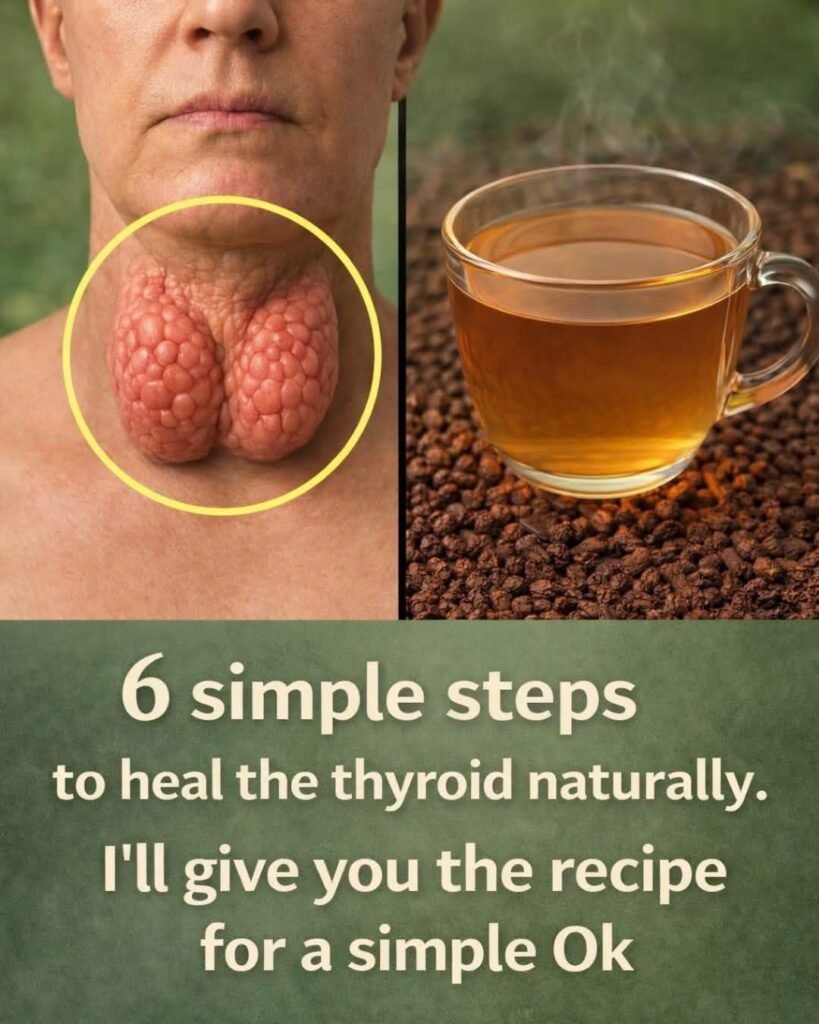
What Is the Thyroid and Why Is It So Important?
The thyroid is a small, butterfly-shaped gland located at the front of the neck, but its impact on the body is enormous. It produces two key hormones—T3 (triiodothyronine) and T4 (thyroxine)—that regulate many essential bodily functions, including:
Metabolic rate
Body temperature
Heart rhythm
Energy production
Digestion
Hormonal balance
Skin and hair growth
When the thyroid is not functioning properly, nearly every system in the body can be affected.
Most Common Thyroid Disorders
1. Hypothyroidism (Underactive Thyroid)
This condition occurs when the thyroid produces too few hormones.
Common symptoms include:
Persistent fatigue
Weight gain
Sensitivity to cold
Hair thinning
Dry skin
Low mood or depression
Constipation
2. Hyperthyroidism (Overactive Thyroid)
This happens when the thyroid releases excess hormones into the bloodstream.
Common symptoms include:
Rapid or unexplained weight loss
Nervousness or anxiety
Heart palpitations
Excessive sweating
Insomnia
3. Thyroiditis and Goiter
Thyroiditis refers to inflammation of the thyroid gland
Goiter is an enlargement of the thyroid, sometimes visible as swelling in the neck
Can the Thyroid Be “Healed” Naturally?
It’s important to be realistic and responsible:
Some thyroid conditions require lifelong medical treatment

However, diet, lifestyle changes, and natural support strategies may help:
Reduce symptoms
Improve hormone conversion
Support medical treatment

The goal is not a miracle cure, but better balance, energy, and daily well-being.
6 Simple Steps to Support Thyroid Health Naturally
Step 1: Remove Foods That Stress the Thyroid
Certain foods can increase inflammation or interfere with hormone balance when consumed excessively.
Reduce or avoid:
Refined sugar
White flour products
Ultra-processed foods
Sugary drinks
Excess soy
Alcohol
Reducing these can help support hormonal regulation and lower inflammation.
Step 2: Add Thyroid-Friendly Foods
The thyroid depends on specific nutrients to function properly.
Key nutrients include:
Iodine (in moderation)
Selenium
Zinc
Iron
B-complex vitamins
Recommended foods:
Eggs
Garlic
Onion
Fish
Nuts (especially Brazil nuts)
Seeds
Cooked vegetables

A nutrient-dense diet creates a strong foundation for hormonal stability.
Step 3: Support Gut Health
There is a strong connection between the gut and thyroid. Poor digestion and gut inflammation can interfere with hormone conversion.
Helpful habits include:
Eating whole, natural foods
Increasing fiber intake
Preventing constipation
Drinking enough water
A healthy gut often supports healthier thyroid hormone activity.
Step 4: Reduce Stress (Absolutely Essential)
Chronic stress raises cortisol, a hormone that can suppress thyroid function.
Simple stress-reducing practices:
Walking 20–30 minutes daily
Deep breathing exercises
Maintaining consistent sleep routines
Reducing mental overload
Rest is not optional—it’s part of healing.
Step 5: Gentle Neck Massage
Light massage around the neck area may help:
Improve circulation
Release muscle tension
Stimulate the thyroid region
Use natural oils such as coconut or olive oil and apply gentle circular motions. Never press hard.
Step 6: Natural Thyroid Support Recipe
🍵 Garlic and Onion Herbal Infusion
This traditional remedy appears in many cultures due to its antioxidant and anti-inflammatory properties.
Ingredients:
1 red onion
2 garlic cloves
2 cups water
Preparation:
Peel and cut the onion into large pieces
Lightly crush the garlic
Bring water to a boil
Add onion and garlic
Simmer on low heat for 10 minutes
Strain and let cool slightly

How to use:
Drink 1 warm cup per day
Preferably on an empty stomach or before bed
Use for 7 days, rest for 5 days, then repeat
⚠️ This infusion does not replace medication. It is for supportive care only.
Potential Benefits of This Infusion
Supports thyroid function
Helps reduce inflammation
Improves circulation
Supports immune health
Aids digestion
Encourages hormonal balance
Important Tips to Remember
Never stop thyroid medication without medical supervision
Monitor thyroid levels regularly
Consistency matters more than speed
Always listen to your body
Who Should Be Especially Careful?
Women over age 35
Individuals with a family history of thyroid disorders
People with chronic fatigue
Anyone experiencing sudden weight changes
Conclusion
The thyroid may be small, but it plays a powerful role in how you feel every day. Supporting it through mindful nutrition, stress management, gut health, and gentle natural remedies can make a meaningful difference in overall well-being.
Nature offers helpful tools—but true balance comes from knowledge, consistency, and responsible medical care.
🌿 Taking care of your thyroid means protecting your energy, metabolism, and long-term health.

Good day.
This is really helpful I’ll start making it now with white onion as I do not have the red onion at the moment thank you so much pls keep on sending me these recipes
Thank you so much
Real nice pattern and wonderful content, very little else we require : D.