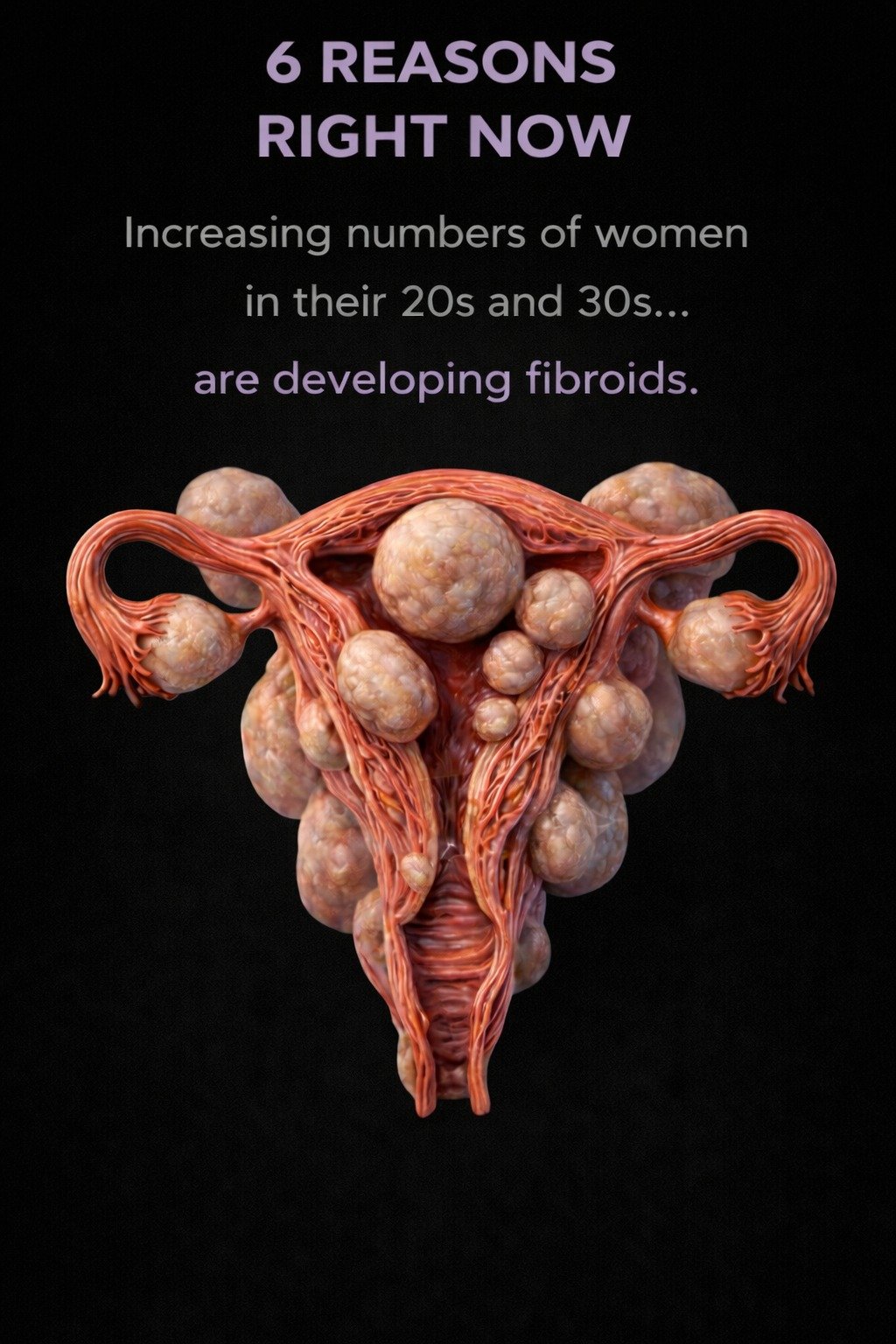
Uterine fibroids (noncancerous growths in the uterus) are common, affecting up to 70-80% of women by age 50, with peak incidence typically in the 30s and 40s. While there’s no definitive evidence of a dramatic global increase specifically in women in their 20s and 30s, better detection through routine ultrasounds and greater awareness mean more cases are identified earlier – including in younger women. Fibroids in this age group are still less common than in older women, but certain factors may contribute to earlier onset or diagnosis.
Here are 6 key reasons based on research from sources like Mayo Clinic, Cleveland Clinic, and epidemiological studies:
1. Genetic and Family History
If your mother or sister had fibroids, your risk is 2-3 times higher – and they may develop earlier.

- Fibroids have a strong hereditary component; family history is one of the top risk factors.
2. Racial and Ethnic Factors
Black/African American women often develop fibroids at younger ages (sometimes in 20s), with larger/more numerous growths and severe symptoms.
- Studies show higher prevalence and earlier onset in this group compared to White, Hispanic, or Asian women.
3. Hormonal Influences and Early Menstruation
Early onset of periods (menarche before age 10-12) increases lifetime estrogen exposure, a key driver of fibroid growth.
- Longer reproductive years mean more hormonal cycles fueling potential development.
4. Obesity and Metabolic Factors
Higher BMI is linked to increased risk, possibly through elevated estrogen from fat tissue or insulin resistance.
- Rising obesity rates in younger generations may contribute to earlier cases.
5. Dietary and Lifestyle Patterns
Diets high in red meat/processed foods and low in fruits/vegetables are associated with higher risk; vitamin D deficiency also plays a role.

- Modern diets low in greens/dairy may exacerbate this in younger women.
6. Improved Detection and Awareness
More routine pelvic exams, ultrasounds (e.g., for fertility or pain), and health awareness lead to earlier diagnoses – what was once undetected is now identified in 20s/30s.
- Not necessarily more fibroids, but more known cases at younger ages.
| Reason | Key Factor | Evidence/Support |
|---|---|---|
| Genetics/Family History | Hereditary predisposition | Strong (2-3x risk if mother/sister) |
| Race/Ethnicity | Higher/earlier in Black women | Consistent across studies |
| Early Menarche | Longer estrogen exposure | Linked in research |
| Obesity | Excess estrogen/insulin | Moderate association |
| Diet/Lifestyle | Red meat high, veggies low | Observational studies |
| Better Detection | Routine imaging/awareness | Explains perceived increase |
Important Notes
- Fibroids in 20s/early 30s are still uncommon compared to 40s+.
- No evidence of a sharp “epidemic” in young women globally; some studies show stable or decreasing diagnosed incidence due to lifestyle changes.
- Symptoms (heavy periods, pain) warrant a doctor’s visit – early management helps.
Conclusion: Awareness and Prevention Matter
While fibroids remain more common with age, factors like genetics, race, hormones, and modern lifestyles may lead to earlier detection or development in some women in their 20s/30s. Focus on modifiable risks: Maintain healthy weight, eat veggie-rich diet, exercise, and get regular check-ups. If concerned, consult a gynecologist – early monitoring makes a difference.
FAQ
Are fibroids increasing in young women?
Detection yes (better imaging); actual incidence stable or similar.
Can I prevent them?
No guarantee, but healthy lifestyle lowers risk.

When to see a doctor?
Heavy/painful periods, pelvic pain, fertility concerns.
Disclaimer: Informational only, not medical advice. Fibroids vary; consult gynecologist for symptoms or risks. Individual factors differ.