
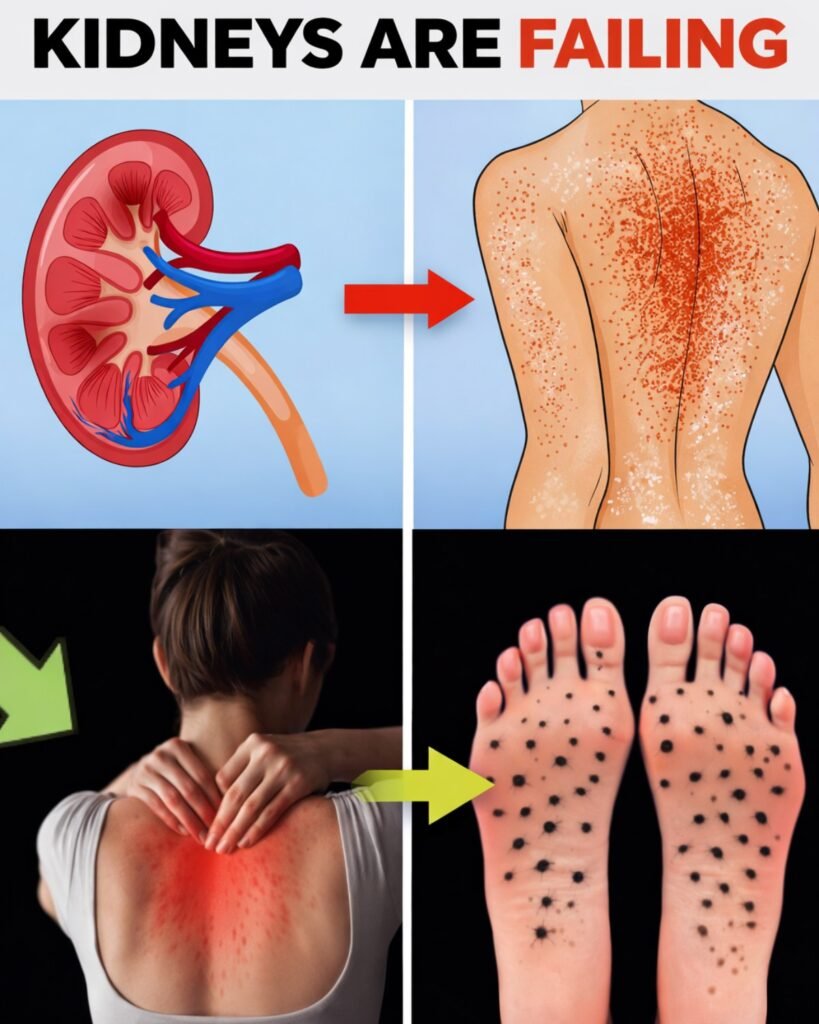
You wake up with puffy eyes that weren’t there yesterday, or notice your urine looks unusually foamy in the toilet. Maybe your ankles feel tight in your shoes by afternoon, or you’re tired no matter how much you sleep. These small, everyday changes often get brushed off as stress, aging, or a salty meal—but they can be quiet signals that your kidneys are struggling.
Chronic kidney disease (CKD) affects over 35 million Americans, yet 90% don’t know they have it until significant damage has occurred. The kidneys filter waste, balance fluids, and regulate blood pressure silently—until they can’t. Symptoms usually stay hidden in early stages and become more obvious only as function declines toward kidney failure (end-stage renal disease or ESRD).
In this article, we’ll walk through 15 key signs, starting with the earliest, most subtle warnings and progressing to late-stage red flags that demand immediate attention. Recognizing patterns early can make a real difference. Let’s begin with the clue many spot in the bathroom mirror every day.
Why Kidney Failure Hides So Well—Until It Doesn’t
Healthy kidneys filter about 200 liters of blood daily without complaint. When function drops slowly (chronic), the body compensates for years. Symptoms typically emerge only after 50–70% of function is lost. Acute kidney injury can appear suddenly, but most cases build gradually from diabetes, high blood pressure, or other risks.
Early detection through simple blood and urine tests can slow progression dramatically. But first, know what to watch for in daily life.
Early & Subtle Warnings (Often Stage 1–3 CKD)
These signs are easy to miss or explain away, but they can appear before major problems.
Sign #15: Persistent Fatigue That Won’t Lift
You feel drained even after a full night’s sleep, like your energy never fully recharges.
Kidneys produce erythropoietin, a hormone that tells your body to make red blood cells. Reduced function leads to anemia, starving muscles and brain of oxygen. Many blame busy life—until it worsens.
Sign #14: Foamy or Bubbly Urine That Lingers
Notice multiple layers of bubbles in the toilet that don’t disappear quickly.
Protein leaking into urine (proteinuria) creates foam. This early kidney filter damage is one of the first detectable signs—often before other symptoms.
Sign #13: Frequent or Urgent Nighttime Urination (Nocturia)
Waking multiple times to urinate, especially after years of sleeping through the night.
Damaged kidneys lose concentrating ability, producing more dilute urine that fills the bladder faster.
Sign #12: Mild Swelling in Ankles, Feet, or Hands (Early Edema)
Socks leave deep marks; rings feel tighter by evening.
Sodium and fluid retention from poor regulation causes subtle puffiness, often gravity-dependent in lower extremities.
Sign #11: Dry, Itchy Skin That Doesn’t Improve
Skin feels rough, flaky, or persistently itchy without obvious rash.
Mineral imbalances (phosphorus, calcium) and waste buildup irritate skin. Many attribute it to weather or soaps.
Mid-Stage Clues (Often Stage 3–4 CKD)
As function declines further, symptoms become harder to ignore.
Sign #10: Shortness of Breath With Minimal Effort
Climbing stairs leaves you winded, or you feel breathless lying flat.
Fluid buildup in lungs (pulmonary edema) or anemia reduces oxygen delivery.
Sign #9: Metallic Taste in Mouth or Bad Breath
A persistent ammonia-like or metallic taste, even after brushing.
Waste buildup (uremia) affects taste buds and creates “uremic fetor” breath.
Sign #8: Nausea, Poor Appetite, or Unexplained Weight Loss
Food loses appeal; meals feel heavy or cause queasiness.
Toxins irritate the stomach; many lose interest in eating.
Sign #7: Muscle Cramps or Restless Legs (Especially at Night)
Painful leg cramps wake you or make relaxing difficult.
Electrolyte imbalances (calcium, potassium, magnesium) trigger spasms.

Sign #6: Trouble Concentrating or Brain Fog
Decisions feel harder; memory slips more often.
Uremic toxins affect brain function, causing confusion or “fuzzy” thinking.
Late-Stage & Advanced Signs (Stage 4–5 / Approaching Failure)
These demand urgent medical evaluation.
Sign #5: Severe Swelling (Edema) in Legs, Face, or Hands
Noticeable puffiness around eyes in morning; legs markedly swollen.
Advanced fluid retention overwhelms compensation.
Sign #4: Chest Pain or Pressure
Discomfort in chest, especially with breathing.
Fluid around heart (pericarditis) or heart strain from overload.
Sign #3: Persistent Nausea/Vomiting & Extreme Weakness
Feeling constantly sick; minimal energy for daily tasks.
Severe uremia overwhelms the system.
Sign #2: Confusion, Drowsiness, or Seizures (in extreme cases)
Mental status changes; extreme fatigue to near-coma.
Dangerous toxin/electrolyte levels affect brain.
Sign #1: Very Little or No Urine Output (Oliguria/Anuria)
Producing little to no urine despite drinking fluids.
Classic sign of advanced failure—requires immediate emergency care.

Early vs. Late-Stage Signs Comparison
| Category | Early/Mid-Stage Examples | Late-Stage Examples |
|---|---|---|
| Urinary Changes | Foamy urine, frequent night urination | Very little/no urine |
| Swelling | Mild ankle puffiness | Severe leg/face swelling |
| Energy & Breathing | Fatigue, mild shortness of breath | Extreme weakness, severe breathlessness |
| Skin & Other | Dry/itchy skin, cramps | Severe itching, confusion, metallic taste |
What to Do Right Now If You Suspect Kidney Issues
Step 1: Don’t wait—contact your healthcare provider today if you notice 2+ persistent signs. Ask for:
- Blood test (serum creatinine → eGFR)
- Urine test (albumin-to-creatinine ratio/uACR for protein)
Step 2: Know your risks: diabetes, high blood pressure, family history, age >60, heart disease. Annual screening is recommended.
Step 3: Support your kidneys while waiting:
- Control blood pressure & blood sugar tightly
- Limit salt (<2300 mg/day)
- Stay hydrated (but don’t force excessive water)
- Avoid NSAIDs (ibuprofen, naproxen) unless approved
- Quit smoking
Meet David, 58, who noticed foamy urine and mild ankle swelling for months. Dismissed as age, he finally tested—early CKD was caught. With blood pressure meds, diet changes, and monitoring, progression slowed significantly.
You might think, “It’s probably nothing.” Many people regret waiting. Early action preserves function and avoids dialysis or transplant.
Take Control Before It’s Too Late
These 15 signs—from foamy urine and fatigue to severe swelling and confusion—can appear gradually or suddenly. Spotting them early gives you the best chance to protect remaining kidney function.
Knowledge is power. A simple blood and urine test can change everything.
Quick tip: Check your urine in a clear container next time—persistent foam is one of the easiest self-observations.
Share this with someone who has diabetes, high blood pressure, or unexplained fatigue—it could prompt the conversation that saves kidney health.
This article is for informational purposes only and is not a substitute for professional medical advice—consult your healthcare provider immediately if you experience persistent symptoms, sudden changes in urination, severe swelling, confusion, or chest pain. Early testing can make a life-changing difference.
